
Cycling for Beginners Over 50: 5 Steps to Reclaiming Your Health
I started riding at 52. Here is the roadmap to go from struggling on a 30-minute ride to crushing a Century.

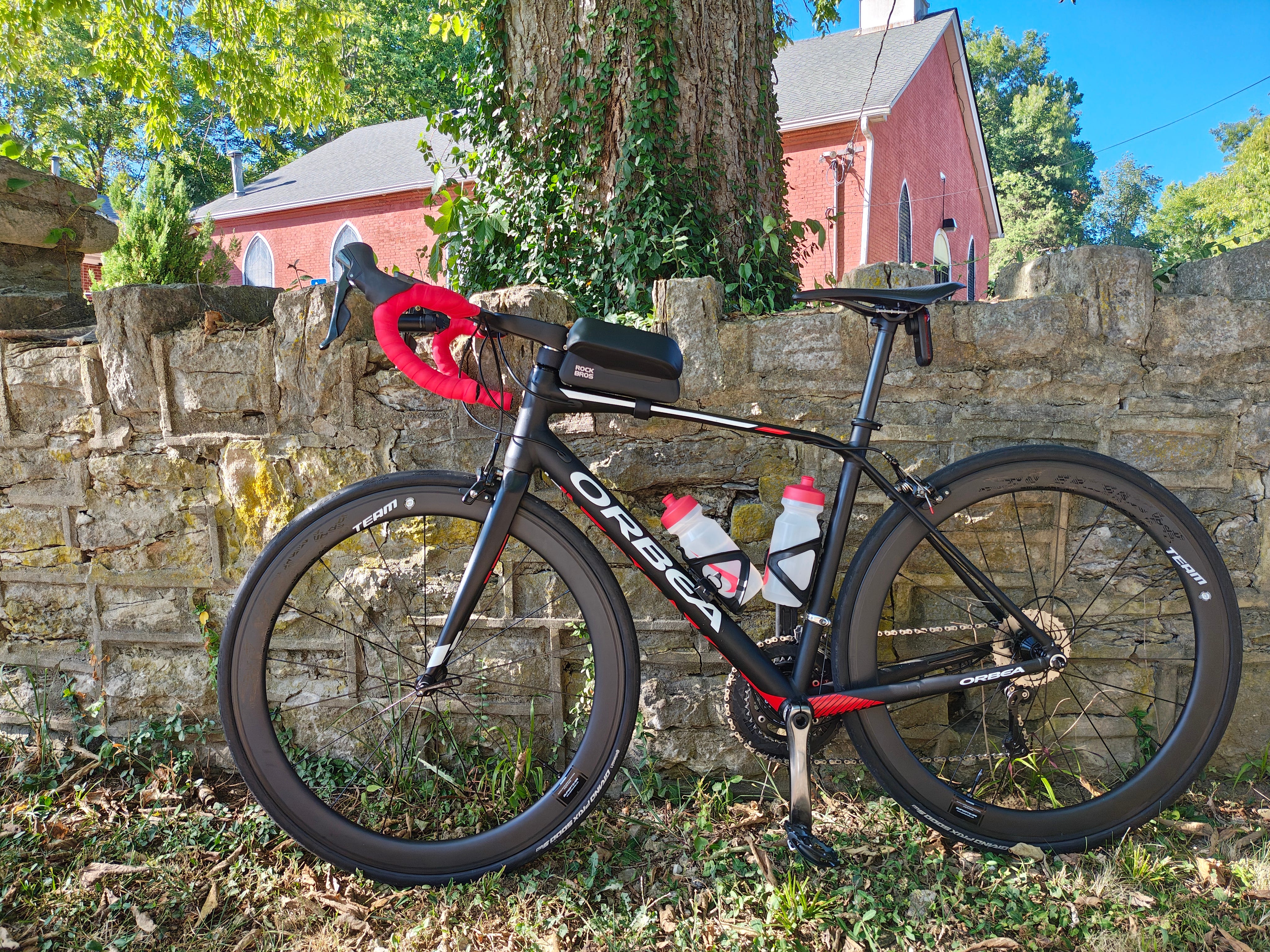
Here are 5 Things to start on your new bike Journey
Starting a new physical endeavor in your 50s can be daunting. When I began my cycling journey at age 52, I struggled.
But in less than a year, I went from barely managing 30 minutes in the saddle to completing a Century Ride (100 miles) in November 2025. It wasn’t magic; it was a system.
If you are looking for cycling for beginners over 50, or just wondering how to get fit without destroying your joints, here are the 5 critical steps to make your journey successful.
1. Get a Professional Bike Fit
This is the single best investment you will make.
When you buy a bicycle, shops often suggest a professional fitting. You might think this is just an upsell or a waste of money. It isn’t.
I would choose a bike fit over a $1,000 wheelset upgrade every time. Why? Comfort equals distance.
The Struggle: Initially, I couldn’t ride more than 30 minutes without hand numbness, foot pain, and soreness.
The Fix: I visited Matt Lee, a Physical Therapist in Lexington . The difference was immediate.
The Result: I went from struggling through 30 minutes to riding 2 hours, then 4 hours, and finally 8+ hours comfortably.
Pro-Tip: If you are hurting, it’s likely not your age—it’s your bike setup. A proper fit makes you “one with the bike.”
https://strava.app.link/wSnP3jiUuZb
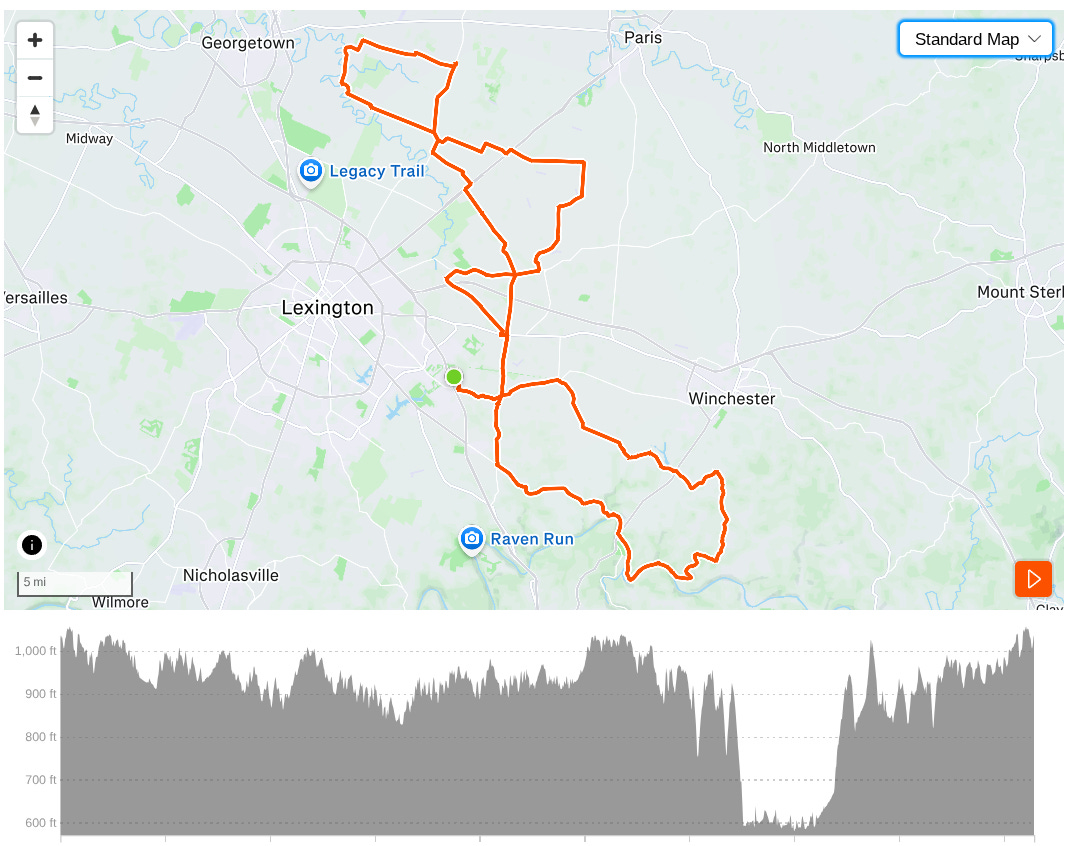
100 (Century Ride).
2. Build Consistency (The "Commute Hack")
Soreness doesn’t disappear overnight, but consistency builds the callous—both mental and physical. You need a system that forces you to ride.
My Strategy: The “Park and Ride” I needed to ride every day, but life gets in the way. So, I built it into my workday:
I drove to work but parked 2 miles away from the office.
I pulled my bike out and rode the rest of the way.
I tackled the hills and traffic daily, getting faster and more confident with every commute.
This forced me to ride twice a day, 5 days a week. Start small, but show up daily.
3. Train with Purpose
You don’t need to be a pro, but you do need a plan. At first, you might want to quit after 20 minutes. Don’t.
Training can be simple, but it needs to align with your goal:
Weight Loss: Focus on heart rate zones.
Mental Health: Focus on time outside.
Endurance: Focus on “Time in Saddle.”
As you progress, technology can help. I moved from tracking speed to tracking Power (Watts) using a Garmin computer and power meter. This data helped me manage my energy so I didn’t “bonk” (run completely out of energy) during long rides.
4. Establish a “Reach” Goal
Without a target, training feels like a chore. For cyclists starting at an older age, having a season goal keeps you honest.
My Goal: A Century Ride (100 miles).
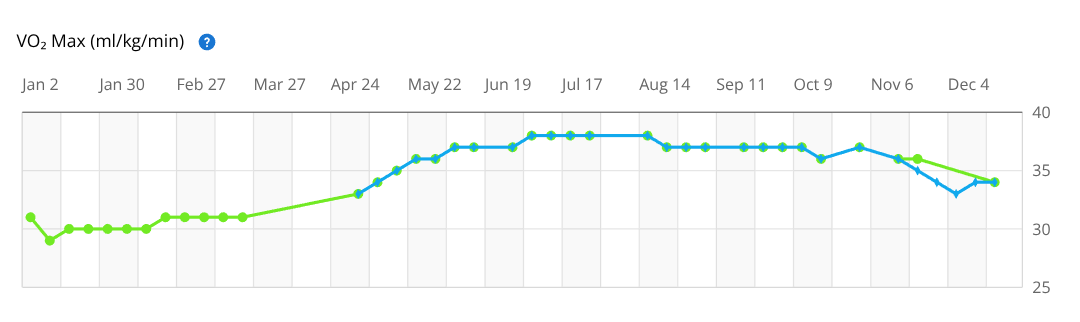
The Method: I used my Garmin data to build stamina. My device predicted my “stamina tank.” Initially, I was empty at 25 miles.
The Outcome: After 3,000 miles of training, I used a “Power Guide” during my Century ride. It told me exactly how much power to exert on ascents and descents. I finished the 100 miles without bonking.
Check out my Century Ride on Strava
5. Master Basic Maintenance
f you want to rely on your machine, you must take care of it. You don’t need to be a mechanic, but you must manage the “consumables.”
The Chain
The chain transfers all your power. A dry or dirty chain makes pedaling harder and wears out your expensive gears (cassette).
Wet Lube: Best for humid environments (like the Southeast).
Wax Lube: Keeps the drivetrain cleaner; lasts 250-300 miles.
The Rule: Buy a chain checker tool. If your chain stretches .75mm or more, replace it immediately to save your drivetrain.
The Tires
Tire pressure is critical for comfort and flat prevention.
Don’t Max Out: Never ride at the “Max PSI” written on the sidewall. It’s uncomfortable and slow.
The Sweet Spot: generally 5-10 PSI below max, or use a customized pressure calculator.
Preventing Flats: Keep them inflated to avoid “pinch flats” (where the tube gets pinched between the rim and a rock).
The Tune-Up
Once a season, get a pro tune-up. They will handle the complex stuff: re-indexing gears, bleeding hydraulic brakes, and checking firmware on electronic shifters.
Ready to start? https://weeecycle.net/amazonstore
Summary for the 50+ Cyclist
Get Fitted: Don’t skip this.
Be Consistent: Find a way to ride daily, even if it’s short.
Track Data: Use technology to pace yourself.
Set a Goal: Aim for a specific event or distance.
Maintain It: Lube your chain and check your air.
Good guide! After a lifetime of doing basically zero exercise ever, I started doing longer-distance cycling in my late forties, and took it slow and steady the way you've suggested ... by my early 50s I was doing several centuries back to back on long rides, and when I was 55 I crossed the US from coast to coast. It feels great to be way way way more active!